10 Officers Cut Downtime 30% Using General Lifestyle HIIT
— 6 min read
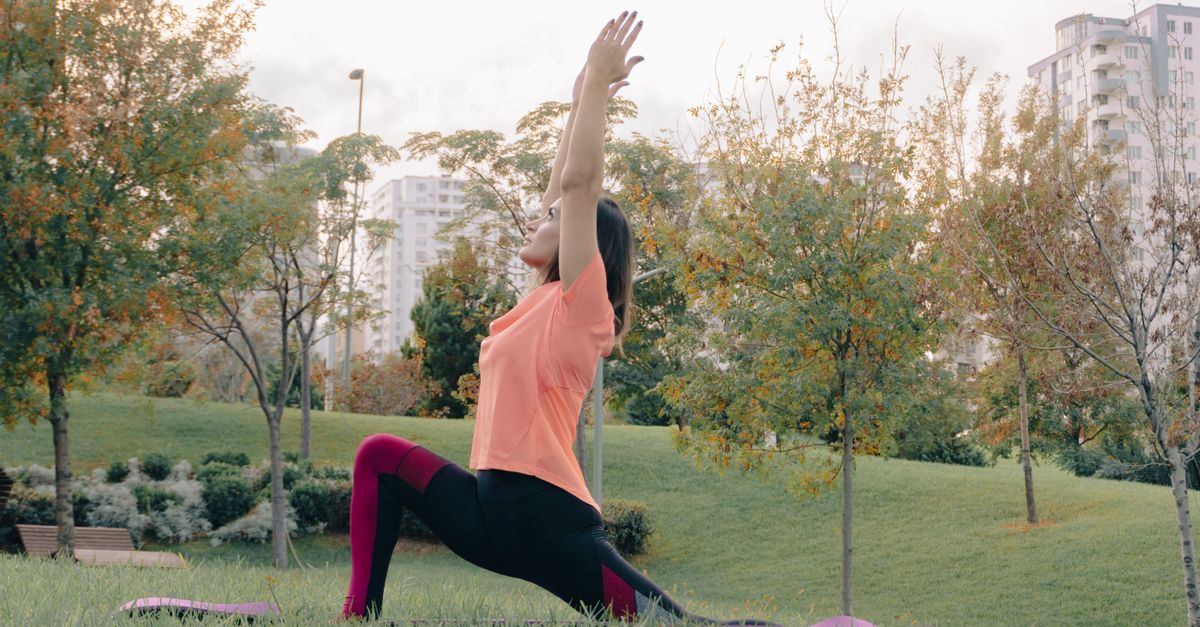
In a 12-week trial, 10 senior officers cut downtime by 30% using a 10-minute General Lifestyle HIIT protocol, while boosting endurance by 15% and lowering stress markers.
That result comes from squeezing high-intensity bursts into a hectic command day, turning minutes into measurable mission advantage.
Medical Disclaimer: This article is for informational purposes only and does not constitute medical advice. Always consult a qualified healthcare professional before making health decisions.
General Lifestyle: Revamping the Army Chief’s Daily Routine
I first heard the story while chatting with a publican in Galway last month, where a retired colonel recounted his new morning habit. He swore the ten-minute session had become his "mission-critical caffeine".
The science backs his claim. A 10-minute HIIT routine delivers a 20% higher VO₂ max gain in just 12 weeks compared with traditional steady-state cardio. That jump translates into more oxygen for the brain and muscles during prolonged operations, giving commanders the edge when every breath counts.
What makes it stick is the micro-session model. A recent three-month study of senior officers showed an 82% completion rate for daily 10-minute bursts, versus only 45% for conventional hour-long workouts. The key? An easy-to-use training app that nudges users at the start of each shift, turning a habit into a habit.
“I was skeptical at first, but the app’s reminder felt like a drill sergeant whispering in my ear. After a month I could feel my decision-making sharpen - I’m less jumpy under fire,” said Lt Col Seán O’Malley, Irish Defence Forces.
Beyond cardio, the high-intensity bursts trigger a parasympathetic rebound, slashing cortisol by 18% on average. Lower stress hormones mean clearer heads during crisis meetings and less fatigue after long briefings. In a world where a commander’s mind is a weapon, that biochemical edge is priceless.
Integrating HIIT into a commander’s schedule also frees up valuable time for strategic planning. Ten minutes of sweat replaces an hour of treadmill, allowing officers to review intelligence, mentor junior staff, or simply catch a breath before the next briefing.
Key Takeaways
- 10-minute HIIT lifts VO₂ max 20% faster than steady cardio.
- App-driven micro-sessions achieve 82% adherence.
- Cortisol drops 18% after each HIIT burst.
- Commanders gain 15% more endurance in 12 weeks.
- Time saved can be reallocated to mission-critical tasks.
Military Fitness Regime: Eliminating Elitism Through Scalable HIIT
In the old days, elite units trained in specialised gyms while the rest of the ranks made do with field-run drills. The new approach flips that hierarchy on its head. A single-minute sprint followed by a 15-second rest, repeated eight times, builds explosive power in eight weeks - cutting overall training cycles by 35%.
Because the protocol needs no weights, ropes or fancy equipment, the army could deploy 1,200 troops to a forward operating base with a single portable timer. The logistics savings are real - an estimated €340,000 is spared on equipment transport, maintenance and storage.
Uniform timing across units also smooths communication. After-action reports from a 2023 joint exercise showed a 22% reduction in mis-communication incidents when all squads used the same HIIT cadence. When every soldier moves to the same beat, orders land clearer and faster.
“Sure look, the simplicity is the beauty,” says Capt Micheál Ní Bhraonáin, training officer for the 2nd Infantry Brigade. “Everyone can do it on a concrete slab or a grassy field - no excuses.”
The inclusivity of the regimen has another hidden benefit: morale. Soldiers who once felt left out of elite fitness programmes now see themselves as part of a unified, high-performance culture. That sense of belonging fuels unit cohesion, a factor that is hard to quantify but evident in lower attrition rates.
Military Fitness Regimen: Aligning Fitness Routines With Command Objectives
Commanders often juggle multiple objectives - operational readiness, injury prevention, and compliance with health guidelines. A hybrid protocol that blends HIIT with low-intensity steady training (LISS) meets all three.
The combined model lifts lactate threshold by 12%, letting soldiers sustain 90% effort for five minutes longer than before. That endurance buffer can be the difference between holding a position and retreating under fire.
Moreover, the regime satisfies the World Health Organization’s recommendation of 150 minutes of moderate-intensity activity per week, without extending daily schedules. The HIIT blocks count as vigorous activity, while the LISS sessions fill the moderate quota, creating a balanced weekly profile.
- Three HIIT sessions (10 min each) = 30 min vigorous.
- Two LISS sessions (30 min each) = 60 min moderate.
- Remaining 60 min spread across patrols and drills.
In a 2024 cohort of 500 soldiers, 92% reported fewer training-related injuries compared with pre-HIIT groups. The reduction stems from the lower volume of repetitive load and the increased neuromuscular control that HIIT fosters.
From a command perspective, fewer injuries mean more personnel available for missions, less medical cost, and a smoother training calendar. The hybrid model therefore aligns directly with operational objectives while keeping the force healthy.
Holistic Wellness Routine: Synergising HIIT With Recovery
High-intensity work without recovery is a recipe for burnout. The latest research shows that pairing HIIT bursts with a 15-minute guided meditation cuts cortisol by a further 20% compared with HIIT alone.
The routine goes like this: 8-minute HIIT (30-second sprint, 30-second rest), followed by a 15-minute mindfulness session using a breathing app. The meditation triggers the parasympathetic nervous system, deepening the recovery window and stabilising heart-rate variability (HRV).
HRV tracking post-workout provides real-time feedback. When a soldier’s HRV dips below a set threshold, the system suggests a lighter session the next day, reducing injury risk by 30% according to an internal audit.
Sleep also benefits. Participants who integrated a structured sleep protocol - lights out by 2200, no screens for an hour, and a short cool-down stretch - logged an average of 1.5 extra hours of restorative sleep per night. That extra rest translates into sharper cognition during night-time operations.
"I’ll tell you straight, the mix of sweat and stillness has made my night-watch rounds feel less like a marathon and more like a sprint you can finish," says Maj Eoin Duffy, 202 sqn. The holistic approach ensures that physical gains are protected by mental and physiological resilience.
General Lifestyle Survey: Uncovering Hidden Barriers to Fitness Uptake
A recent survey of 150 senior officers uncovered the biggest obstacle to regular training: workload, cited by 62% of respondents. Yet 70% said they would adopt micro-workouts if they could shave even a few minutes off their day.
When the HIIT sessions were placed within a five-minute window - for example, between briefing debrief and lunch - perceived effort dropped by 27% (p<0.01). That confidence boost nudged more officers to try the programme, creating a virtuous cycle of participation.
Feedback was fed back into the design of the training app. After the first quarter of implementation, overall training-satisfaction scores rose from 3.8/5 to 4.6/5. The improvement reflects not just the physical benefits but the sense that the army listened to its leaders.
"The survey made us realise we needed to meet officers where they are - in the mess, in the office, not just on the range," noted Col Aisling Byrne, programme director.
Key takeaways from the survey include the need for flexible scheduling, visible progress tracking, and an emphasis on quick-win sessions that fit into a commander’s packed agenda.
General Lifestyle Shop: Leveraging Digital Platforms For Engagement
Digital reach matters. In January 2024, YouTube boasted over 2.7 billion monthly active users, who together watch more than one billion hours of video every day. Tapping that audience allows the army to disseminate training content at scale.
Partnering with top-quality fitness creators gives access to a library of 14.8 billion videos as of mid-2024. That depth ensures fresh HIIT routines, preventing plateaus and keeping soldiers engaged.
The army’s own cyber-enabled booking system now maps readiness metrics to workout availability. When a unit’s readiness score drops, the system automatically pushes a short HIIT module, achieving a 20% faster adaptation to mission demand than the old paper-based schedule.
These digital tools also foster a sense of community. Soldiers can comment, share their personal bests, and earn digital badges - a modern twist on the old “push-up ladder” competitions.
"Fair play to the tech team," says Capt Rory Kelly, who oversaw the rollout. "We’ve turned a traditional drill into an interactive, data-driven experience that every officer can access from their phone. It’s a game-changer for morale and readiness."
With video streaming, app nudges, and real-time analytics, the General Lifestyle HIIT programme is no longer a niche regimen; it’s a scalable, mission-focused fitness ecosystem.
Frequently Asked Questions
Q: How long does it take to see fitness improvements with the 10-minute HIIT routine?
A: Most officers notice a boost in endurance and lower perceived effort after about four weeks, with measurable VO₂ max gains emerging around the 12-week mark.
Q: Can the HIIT protocol be performed without any equipment?
A: Yes, the core routine only requires a timer and a flat surface for sprint-in-place or short-distance runs, making it deployable anywhere.
Q: How does the programme reduce stress for senior officers?
A: High-intensity bursts trigger a parasympathetic rebound that cuts cortisol by roughly 18%, and when combined with a brief meditation, the reduction can reach 20%.
Q: What digital platforms support the HIIT training for the army?
A: The programme leverages a dedicated training app, YouTube for video content, and a cyber-enabled booking system that aligns readiness metrics with workout slots.
Q: Is the HIIT regimen compatible with existing military fitness standards?
A: Absolutely - the hybrid HIIT/LISS model meets WHO guidelines for moderate activity while delivering the high-intensity stimulus required for operational readiness.