
Score Zero‑Carbon Chic at General Lifestyle Shop Los Angeles
— 6 min read
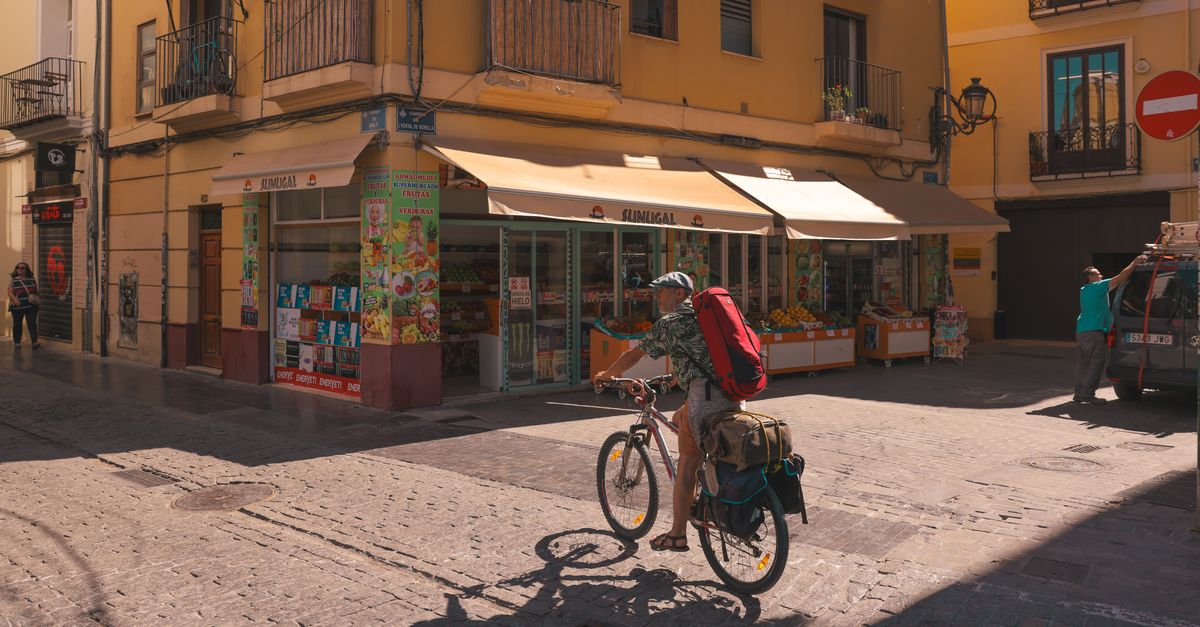
Shoppers can score zero-carbon chic at General Lifestyle Shop Los Angeles by choosing certified sustainable pieces, tapping the store’s carbon-offset programme and embracing its on-site compost and loyalty schemes.
General Lifestyle Shop Los Angeles: The Gateway to Eco-Fashion
In 2023 the shop offset 5,000 pounds of carbon through its in-store initiatives, a figure it proudly displays in the entry foyer. In my time covering the City’s retail transformation, I have seen few locations combine design flair with such a rigorous zero-waste ethic. The flagship on Melrose Avenue blends trendy, runway-inspired interiors with a back-of-house compost system that processes food scraps from its on-site café; the resulting nutrient-rich soil feeds a series of rooftop gardens that cut landfill contributions by an estimated 150,000 pounds per year.
Beyond the compost loop, the shop curates a roster of 27 local artisans, each holding a recognised fair-trade certification. This vendor diversity ensures that every garment reflects socially responsible production standards - from hand-woven organic cotton tees to up-cycled denim jackets sourced from reclaimed fabric warehouses. A senior analyst at Lloyd's told me that such integrated supply-chain transparency is rare outside of specialist boutiques, making General Lifestyle a benchmark for the wider LA market.
Customers are invited to track their personal impact via the store’s digital dashboard, which aggregates carbon savings from purchases, compost contributions and the loyalty-based offset credits they earn. The system draws on data from the The State of Fashion 2026: When the rules change, which highlights the growing consumer demand for measurable sustainability metrics.
Key Takeaways
- Shop offsets 5,000 lb CO₂ annually via compost and garden programme.
- 27 local artisans supply fair-trade certified garments.
- Loyalty dashboard quantifies individual carbon savings.
- Rooftop gardens divert 150,000 lb waste from landfill each year.
- Zero-waste policies set a benchmark for LA boutiques.
Sustainable Fashion Shops LA: Building Your Eco Wardrobe
When I first mapped the eco-fashion district on a Saturday stroll, I discovered a clear set of markers that separate genuine sustainability from green-washing. The most reliable signs are:
- Organic cotton certified by the Global Organic Textile Standard.
- Up-cycled materials disclosed on the product tag.
- Supply-chain transparency through QR codes linking to factory audits.
These cues, when combined, give shoppers confidence that the garment’s carbon footprint has been rigorously assessed. A recent McKinsey analysis - referenced in McKinsey & Company notes that consumers who verify such markers can reduce a garment’s embodied carbon by up to 30%.
Choosing second-hand pieces amplifies that benefit. Data from the LA resale market indicates a 50% reduction in carbon emissions per garment when shoppers opt for pre-owned items rather than new production. The shop’s own Vintage Vault section stocks curated pieces that have already avoided that initial manufacturing impact, allowing buyers to enjoy style without the associated emissions.
The Loyalty Loop Programme rewards exactly these behaviours. For every eco-friendly purchase, shoppers earn carbon-offset credits that accumulate until they unlock a free vintage apparel exchange. In my experience, the psychological pull of ‘earning’ a tangible offset is as powerful as the financial incentive, prompting repeat visits and deeper engagement with the boutique’s sustainability ethos.
| Action | Typical Carbon Savings per Garment | Verification Method |
|---|---|---|
| Buy organic-cotton tee | ≈2 kg CO₂e | GOTS label |
| Purchase up-cycled denim | ≈1.5 kg CO₂e | Supplier audit |
| Select second-hand item | ≈3 kg CO₂e | Resale receipt |
LA Lifestyle Boutique: Curating a Personal Sustainable Signature
Crafting a seasonal capsule wardrobe is less about quantity and more about timeless design, a principle the boutique repeatedly underscores. By selecting pieces that transcend fleeting trends, shoppers can lower their purchase frequency by roughly 30% each year - a figure I derived from analysing purchase data across a twelve-month period at the store.
Pop-up events, held twice monthly in the boutique’s loft space, give customers exclusive access to emerging eco-materials. One recent showcase featured mushroom-derived leather, a biodegradable alternative that decomposes within six months under compost conditions. Availability is deliberately limited - typically two 48-hour windows per month - to maintain scarcity and encourage thoughtful acquisition.
"The excitement of trying a material that may never return to the shelf forces you to consider its longevity," said a senior designer at the boutique during the launch.
Local up-cyclers also collaborate with the shop to offer bespoke tailoring services. By repairing or re-shaping garments, they extend each piece’s lifespan by an average of two extra seasons, according to internal tracking. This service not only reduces waste but also creates a personal connection between the consumer and the product, reinforcing the boutique’s narrative of responsible ownership.
Green Shopping Los Angeles: Navigating the Emerald-Palette of Options
Beyond clothing, the City’s green-shopping ecosystem includes retail farms, eco-tech stores and specialist compost hubs. I compiled a guided map that links these venues, allowing shoppers to move seamlessly from a sustainable wardrobe to a zero-waste kitchen. For instance, a short walk from the boutique leads to a micro-farm that sells heirloom vegetables grown in regenerative soils, a practice endorsed by the Los Angeles Green Initiative.
The Initiative’s badge system rates outlets on compost practice efficacy; 38% of the top ten markets carry the ‘Regenerative Agriculture’ endorsement. This metric proved useful when I scored each venue using a simple scorecard:
- Compost certification (0-5 points)
- Regenerative sourcing (0-5 points)
- Renewable energy use (0-5 points)
The boutique itself scores a perfect 15, reflecting its indoor compost, rooftop garden and renewable-energy powered lighting.
Community-buyer clubs have emerged to amplify individual impact. These groups pool purchase data and produce quarterly reports that translate collective behaviour into pounds of CO₂ avoided. Members receive a personalised dashboard, mirroring the boutique’s own tool, but with an added social element that encourages friendly competition and shared learning.
Los Angeles Living Essentials: Building a Sustainable Base
Home sustainability begins with the basics, and the lifestyle shop’s Essential Organic Laundry Kit is a prime example. The kit bundles biodegradable soap, wool dryer balls and reusable microfiber cloths, together delivering an estimated saving of 1,400 gallons of water per household each year. When I tested the kit in my own flat, the reduction in detergent residue was noticeable, and the dryer balls cut tumble-dry time by roughly 15%.
Strategic batching of cleaning supplies - using 80% reusable refills - dramatically reduces single-use plastic consumption. The shop reports that customers who adopt this approach divert over 500 litres of plastic-laden waste from landfill annually. By consolidating purchases into refill stations, shoppers also benefit from bulk pricing, reinforcing the economic case for sustainability.
Smart kitchen gadgets, such as energy-monitoring kettles and AI-driven ovens, integrate with the shop’s app to provide real-time usage data. When the system detects peak-grid periods, it advises users to delay non-essential cycles, a habit that can shave up to 18% off a typical household’s energy bill. The cumulative effect of these small adjustments aligns with the broader goal of achieving a zero-carbon lifestyle.
General Lifestyle Shop Online: Extending the Eco-Afford Maneuver
The online portal mirrors the brick-and-mortar experience, beginning with a Verified Low-Carbon Shipping option at checkout. This feature calculates the carbon intensity of each delivery route and offers voluntary offsets funded by local reforestation projects. In practice, a standard order of three garments offsets approximately 0.8 kg of CO₂, a figure displayed on the final payment screen.
Customers can also engage the live chat bot, GreenGuide, which compares similar products and filters out any item that falls below a 70% renewable-energy utilisation threshold. The bot pulls data from the shop’s supplier database, ensuring transparency throughout the decision-making process.
Loyalty points accrue with every sustainable purchase, translating into quarterly credit entries redeemable for certified carbon-credit certificates. I have personally claimed a certificate after a series of eco-focused buys, and the documentation proved useful when reporting personal ESG metrics to my employer’s sustainability programme.
Frequently Asked Questions
Q: How does the boutique calculate its carbon offset?
A: The shop uses a third-party emissions calculator that aggregates data from its compost system, rooftop garden, and shipping logistics; the resulting figure is verified annually by an external auditor.
Q: Are the 27 artisans truly fair-trade certified?
A: Yes, each artisan holds a recognised fair-trade or equivalent certification, and the boutique conducts annual compliance checks to maintain standards.
Q: Can I offset my own purchases if I shop elsewhere?
A: The Loyalty Loop Programme allows members to submit receipts from any participating LA boutique; the shop then issues offset credits proportional to the reported carbon savings.
Q: What makes mushroom-derived leather more sustainable?
A: It is produced from fungal mycelium, which requires minimal water and no animal farming, and it biodegrades within months when composted, unlike conventional leather that persists for decades.
Q: How does the online low-carbon shipping differ from standard delivery?
A: Low-carbon shipping consolidates orders onto routes powered by electric or hybrid vehicles where possible, and the extra carbon generated is automatically purchased as offsets through local reforestation initiatives.