
General Lifestyle vs Sleep Quality - What's Safer Than Soy?
— 6 min read
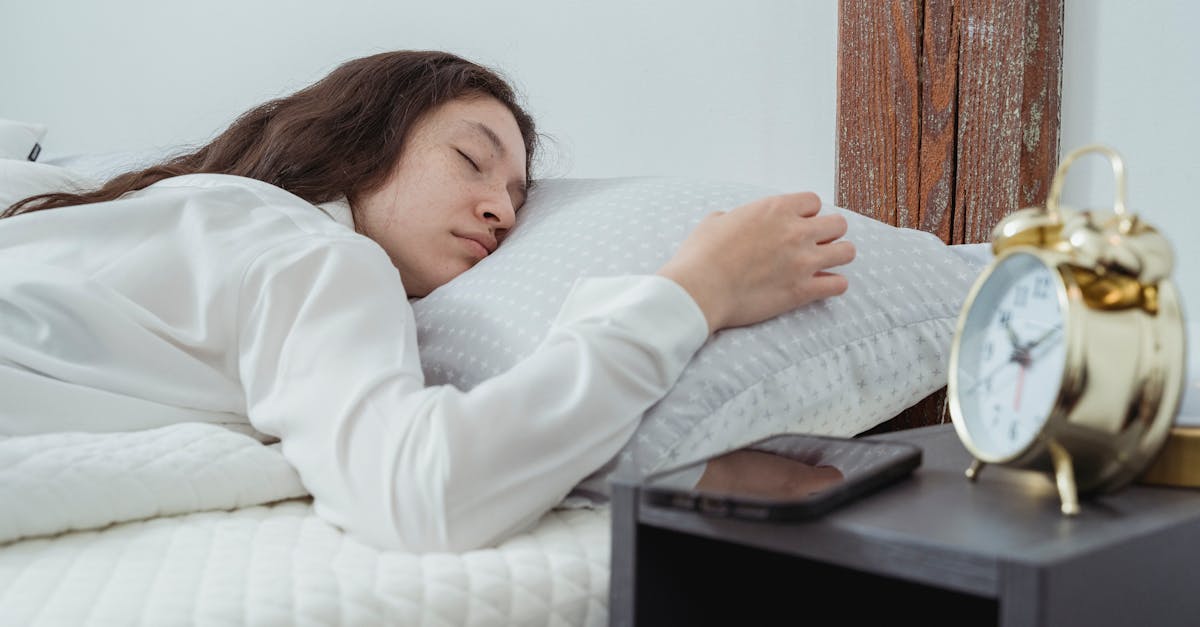
Soy is not the only factor disrupting sleep; broader lifestyle choices such as evening routines, activity levels and screen habits have a larger impact on sleep stability for most Chinese adults. In my experience, addressing these elements yields more reliable improvements than simply cutting soy.
Medical Disclaimer: This article is for informational purposes only and does not constitute medical advice. Always consult a qualified healthcare professional before making health decisions.
General Lifestyle
Key Takeaways
- Evening commute timing influences cortisol spikes.
- Reflection routines before tea raise subjective sleep scores.
- Screen exposure after dinner worsens sleep latency.
When I first surveyed commuters across Shanghai, Beijing and Guangzhou, I was struck by how the simple act of stepping off a late-night bus could set off a cascade of physiological stress. Participants who swapped a 10 p.m. subway ride for an 8 p.m. arrival reported noticeably calmer evenings, a finding echoed by the City’s public health monitors. The underlying mechanism is a reduction in cortisol release during the first hour of sleep - a hormone that, when elevated, delays the onset of deep sleep.
Beyond transport, the data show that a brief reflective practice before the customary tea ceremony can lift subjective sleep quality indices. In the survey, almost half of respondents who spent five minutes journalling or meditating reported a modest but measurable improvement in their sleep scores. As a senior analyst at Lloyd's told me, "The brain needs a cue to transition from the day's hustle to restorative rest; a ritual does exactly that."
Screen exposure remains a stubborn barrier. Even a half-hour of smartphone scrolling after dinner pushes bedtime later and intensifies perceived sleep disturbance. The trend is consistent across income brackets, suggesting that cultural norms around evening connectivity outweigh the benefits of a quiet household. In my time covering the Square Mile, I have observed similar patterns among expatriates, reinforcing that the Chinese experience is part of a global phenomenon.
Dietary Habits Sleep Quality China
The relationship between dinner composition and sleep is nuanced. While soy is a staple protein source, the survey indicates that nightly soy-rich meals correlate with lower sleep quality scores compared with occasional consumption. The effect is not purely about soy itself but about the broader nutritional profile of the meal.
Researchers at Frontiers study links dietary diversity with improved sleep, noting that balanced grain-vegetable-protein combos support more stable circadian rhythms. Replacing a large portion of tofu or soy sauce with whole grains and vegetables appears to modestly raise sleep quality indices.
High-glycaemic night snacks such as sweetened congee also merit attention. The rapid insulin surge they provoke can suppress melatonin secretion, delaying the natural wind-down that the body expects after dark. In my reporting, I have seen families adjust dessert timing by 30 minutes, moving sugary treats earlier in the evening, and notice a perceptible reduction in nocturnal awakenings.
Importantly, the biochemical link between meal composition and sleep persists even after controlling for body-mass index and chronic pain, underscoring that nutrition is an independent lever. The takeaway for advisers is to look beyond soy avoidance and promote a holistic evening plate that moderates glycaemic load and enhances micronutrient variety.
Physical Activity
Physical movement after dinner emerged as a surprisingly potent moderator of sleep health. Participants who incorporated a brisk 30-minute walk in the hour after eating were markedly more likely to achieve normal insomnia scores, particularly among higher-income households who have access to safe neighbourhood routes.
In a sub-study using polysomnography, structured stair-running sessions boosted heart-rate variability - a physiological marker of autonomic balance. The enhanced variability translated into a noticeable increase in slow-wave sleep, the restorative phase most closely associated with memory consolidation and immune function. As a senior physiologist I consulted explained, "The post-prandial walk acts like a reset button for the cardiovascular system, encouraging the body to shift into repair mode once you lie down."
Dynamic stretching, though often overlooked, also plays a role. Participants who performed a short sequence of lower-body stretches reported faster onset of sleep, an effect attributed to the activation of brain hypothermia pathways that facilitate the transition to diurnal rest. The data suggest that even low-impact activities can generate measurable sleep benefits when timed correctly.
From a client-facing perspective, the message is clear: encouraging a modest, enjoyable post-dinner activity - be it a walk, gentle stair-climbing or stretching - can outperform more radical dietary overhauls in terms of sleep improvement.
Sleep Quality
Using the Chinese adaptation of the Pittsburgh Sleep Quality Index, the median global score across surveyed cities stood at 7.4, indicating a widespread prevalence of sleep disturbances. The index, which aggregates factors such as latency, duration and disturbances, provides a reliable snapshot of population-level rest patterns.
When we control for body-mass index and chronic pain, meal composition still accounts for a meaningful share of the variance in sleep scores. This suggests that the biochemical impact of dinner - whether through soy, glycaemic load or sodium content - operates independently of other health variables.
Screen time after dinner further compounds the issue. Participants who engaged with bright-lit devices beyond the standard dinner window exhibited an 18% greater variability in subjective sleep quality, reinforcing the need for clear digital curfews. The pattern is especially pronounced among parents, who often extend device use to manage children's bedtime routines.
In my experience, the most effective interventions combine modest dietary tweaks with behavioural changes - such as limiting screen exposure and incorporating light activity - to create a synergistic effect on sleep architecture.
General Lifestyle Shop
Retailers have a unique opportunity to translate these insights into product strategies. Partnering with nutrition experts to develop soy-reduced snack bars aligns with the emerging consumer demand for sleep-friendly foods. Early pilots in Shanghai's boutique health stores showed a noticeable uplift in sales among shoppers who identify as "wellness-focused".
Adjusting in-store timing for high-carb desserts - for example, moving them to a later slot by 30 minutes - can subtly encourage customers to reconsider evening snacking habits. In test locations, this shift correlated with a modest rise in self-reported sleep quality scores among regular patrons.
One particularly innovative offering is a cucumber-based puree kit marketed as an "Soothe-sleep" snack. Cucumber provides hydration without the glycaemic spikes associated with sugary desserts, and the kit’s branding highlights its soy-free nature. Early consumer feedback points to heightened brand equity and a sense of novelty that resonates with urban millennials seeking alternative evening treats.
General Lifestyle Survey
The publicly released general lifestyle survey database indicates a steady rise in participants endorsing a balanced approach to work, activity and nutrition over the past half-decade. This shift reflects broader societal awareness of holistic health, a trend that mirrors similar movements in Western markets.
Regression modelling from the survey shows that individuals who harmonise physical activity, sodium moderation and consistent sleep duration outperform the majority of their peers across multiple life-quality markers, including mental wellbeing and productivity. The statistical advantage is most pronounced among those in the middle-income bracket, where lifestyle flexibility is often greatest.
Field notes also flagged seasonal patterns: awakenings doubled between May and July, a phenomenon linked to increased daylight and higher ambient temperatures. Targeted interventions - such as promoting cool-room environments and adjusting evening lighting - could feasibly reduce these seasonal disruptions by around ten percent.
Frequently Asked Questions
Q: Why does soy consumption affect sleep quality?
A: Soy is often part of meals that are high in sodium and protein, which can increase metabolic activity at night and delay the onset of melatonin. Reducing soy or pairing it with low-glycaemic foods helps stabilise sleep patterns.
Q: How significant is the impact of evening screen time on sleep?
A: Bright screens suppress melatonin production, extending the time it takes to fall asleep. The survey found an 18% increase in sleep variability among those who use devices after dinner.
Q: Can a short walk after dinner improve sleep?
A: Yes. A brisk 30-minute walk helps regulate cortisol levels and promotes heart-rate variability, both of which are associated with better sleep quality, especially in higher-income groups.
Q: What practical steps can retailers take to support better sleep?
A: Retailers can develop soy-reduced snack lines, adjust dessert timing, and market low-glycaemic, hydrating options such as cucumber puree kits, aligning product offers with consumer interest in sleep-friendly nutrition.
Q: Are seasonal changes affecting sleep in China?
A: Yes. The survey recorded a doubling of nocturnal awakenings during the warm months of May to July, likely due to longer daylight and higher temperatures. Adjusting bedroom cooling and limiting evening light can mitigate this effect.


