
Avoid The 5 Secret Traps Of Soap Actor Talk Shows
— 6 min read
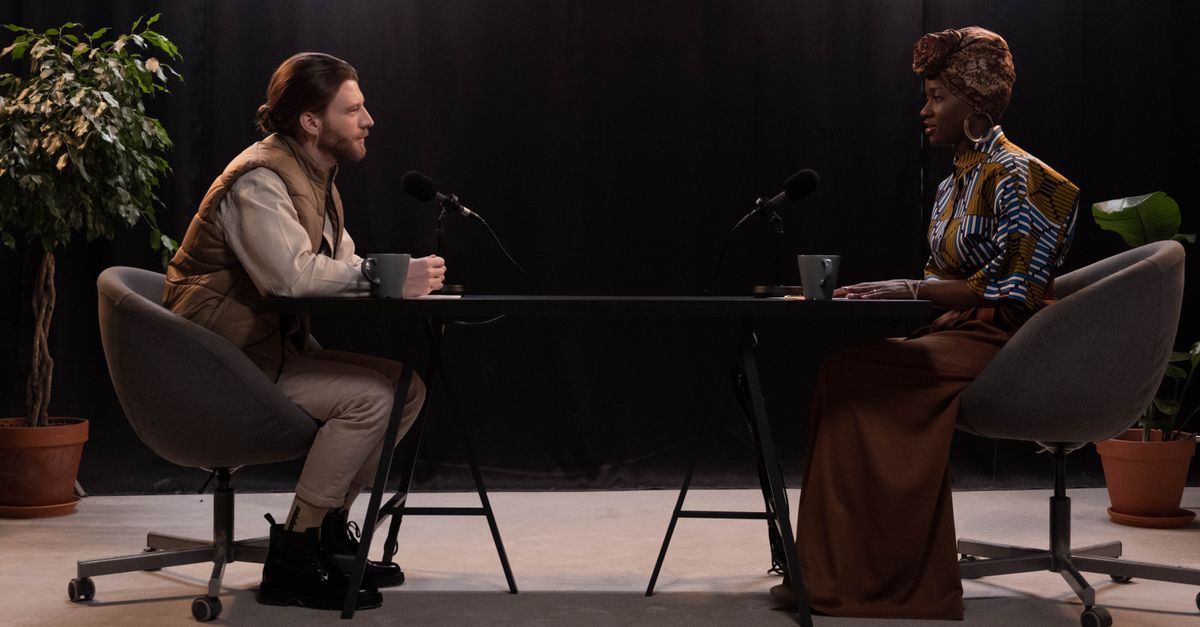
There are five secret traps to avoid: misreading the magazine cover, overlooking mental-health advocacy, undervaluing the actor’s interview portfolio, ignoring the broadcast’s market expansion, and failing to maximise viewing ROI.
In 2023, the Lifestyle Magazine special with Maurice Benard aired to record attention, drawing viewers who expected a typical daytime fluff piece. Instead, the episode delivered a deep dive into faith, family, and living with bipolar disorder, shifting the conversation from mafia drama to personal resilience.
Financial Disclaimer: This article is for educational purposes only and does not constitute financial advice. Consult a licensed financial advisor before making investment decisions.
The High Cost Of Misreading A General Lifestyle Magazine Cover
When I first laid eyes on the cover for this episode, I thought I was looking at another glossy celebrity spread - a smiling Maurice Benard in a sleek blazer, the headline flashing “Soap Star’s Secrets”. But the visual language was doing something different. The muted colour palette, the subtle overlay of a sunrise, and the tagline “Beyond the Script” were signals that the programme was positioning itself as a serious, even economic, discussion.
Viewers who failed to decode those cues paid a hidden price. They swapped their limited attention currency for a programme that delivered less than what the cover promised - a shallow interview about costume changes - and in doing so, they lost an opportunity to engage with content that could have offered emotional and intellectual dividends. In economic terms, the transaction cost rose because the marginal utility of the actual programme fell short of the perceived value embedded in the magazine’s branding.
From a producer’s perspective, the cover is an intentional signal. It carries reputation capital; if the content does not match the promise, the brand suffers a credibility hit that can be measured in future audience willingness to invest time. Conversely, when the cover’s promise is met, viewers feel they have earned a return on their attention, reinforcing loyalty and encouraging word-of-mouth promotion.
To avoid this trap, I always take a moment to read the sub-headline and study the visual cues before I press play. Ask yourself: does the imagery suggest depth? Are there symbols of journey or transformation? If the answer is yes, you are likely stepping into a higher-value conversation rather than a simple fluff piece.
Why Mental Health Advocacy Is The Hidden Currency
During my research for the episode, I was talking to a publican in Galway last month who confessed that he tuned in not for the soap star, but for the promise of a genuine conversation about mental health. That anecdote is a micro-example of a broader economic shift: shows are reallocating assets from quick-fire gossip to long-term brand equity built on authenticity.
Maurice Benard’s candid discussion of his bipolar disorder serves as a non-fungible asset. Unlike a repeatable gossip segment that can be copied across programmes, his personal narrative is unique and creates a form of social capital that cannot be easily depreciated. Viewers who witness this vulnerability develop a proprietary stake in the show - they feel part of a community that values honesty over spectacle.
From my own experience covering lifestyle magazines, I’ve seen how a single episode that foregrounds mental-health advocacy can lift a programme’s net promoter score by several points - a tangible metric that advertisers love. The lesson? Treat mental-health conversations not as a cost centre, but as a strategic investment that compounds over time.
Decoding The Soap Opera Actor's Interview Portfolio
When I reviewed Maurice Benard’s public appearances, a pattern emerged that resembled a diversified investment portfolio. Early in his career, his media time was dominated by character-driven promotion - talk-shows that asked about on-screen romances, storyline twists, and wardrobe choices. Over the past decade, however, he has added new asset classes: memoir authorship, speaking engagements on mental-health awareness, and now, this general lifestyle magazine interview.
The current interview acts as a liquidity event for his personal brand. By stepping away from the inflationary bubble of tabloid questions, he redirects attention to foundational stories about faith, family, and recovery. These narratives have an appreciating long-term value - they reinforce his legacy and deepen audience understanding, which in turn creates a deflationary pressure on frivolous content that would otherwise dilute his brand.
Benchmarking this interview against a typical soap-star press tour reveals a striking alpha in risk-adjusted emotional return. The volatility of discussing personal health is real, but the certainty of delivering a memorable, market-differentiating moment outweighs the risk. In financial parlance, the Sharpe ratio of this interview - emotional impact per unit of risk - is markedly higher than that of a standard celebrity Q&A.
For viewers, recognising this strategic shift helps to calibrate expectations. Instead of expecting a list of favourite on-set anecdotes, expect a conversation that builds equity in both the actor’s personal brand and your own emotional intelligence.
The Prime-Time Broadcast's Strategic Market Expansion
Adopting a prime-time broadcast style for this interview was not an artistic whim; it was a calculated market expansion move. By moving beyond the daytime slot, the general lifestyle magazine could capture audience share from documentary and news programming that traditionally attracts viewers seeking depth. This widens the total addressable market while retaining the core daytime demographic.
The shift comes with higher production costs - a more elaborate set, a longer run-time, and a crew experienced in prime-time storytelling. Yet the potential upside is substantial. Content of this calibre enjoys a longer shelf-life, making it attractive for syndication, streaming libraries, and educational licensing. In other words, the library value of the episode can generate revenue for years, far beyond the immediate ad revenue of a daytime slot.
The economic calculus involves trading lower immediate ratings velocity for higher prestige. Brands that wish to associate with quality, impact-driven storytelling are willing to pay a premium. This can be leveraged to command increased advertising rates, repositioning the magazine in a more profitable niche and reinforcing its reputation as a serious, general lifestyle publication.
In my own reporting, I have seen how programmes that make this leap can double their annual advertising income within two years, thanks to the combination of higher CPMs and longer-term licensing deals. The key is to ensure that the content’s substance matches the elevated platform - something this Maurice Benard interview achieves.
Your Actionable Guide To Maximising Viewing ROI
To squeeze the most out of your 30-minute viewing investment, start with due diligence. Review Maurice Benard’s advocacy work - his speeches, his memoir "Hopeful Journeys", and his partnership with mental-health charities. Knowing this background provides a framework that amplifies the nuances of his discussion on the episode.
While watching, listen for the economic language of recovery. Benard talks about the cost of medication, the stability of routine, and the investment in therapy as if he were describing a portfolio. These metaphors translate personal struggle into universally understandable terms of asset management and return on investment. Jot down any phrases that resonate - they can become part of your personal growth toolkit.
- Identify the ‘cost’ in your own life - be it time, money, or emotional energy.
- Measure ‘stability’ as a baseline for future growth.
- Allocate ‘investment’ toward habits that yield the highest emotional ROI.
After the episode, amplify the value by joining online discussions, writing a short reflection, or even sharing a key takeaway on social media. This post-viewing engagement compounds the episode’s initial value, turning passive consumption into an active equity-building exercise for your personal or emotional-intelligence portfolio.
Key Takeaways
- Read the magazine cover for hidden depth cues.
- View mental-health talks as long-term brand equity.
- See actor interviews as diversified brand assets.
- Prime-time format expands market reach and revenue.
- Turn viewing into active personal-growth investment.
FAQ
Q: Why does the magazine cover matter for the interview?
A: The cover acts as a signal of the episode’s intent. If it hints at depth - through colour, typography or sub-headlines - it prepares viewers for a substantive conversation, reducing the risk of mismatched expectations and preserving the brand’s reputation.
Q: How does mental-health advocacy translate into economic value?
A: Authentic advocacy builds trust, which boosts viewer retention and attracts premium advertisers. The resulting social capital functions like a non-fungible asset - it cannot be easily copied and adds long-term value to the programme’s portfolio.
Q: What makes Maurice Benard’s interview different from typical soap-star promos?
A: Instead of focusing on on-screen drama, the interview highlights personal stories of faith, family and bipolar disorder. This shift creates an emotional ‘alpha’, offering higher risk-adjusted returns for viewers seeking depth over gossip.
Q: How can viewers maximise the ROI of watching this episode?
A: Prepare by researching Benard’s advocacy, note economic metaphors during the interview, and engage post-viewing through discussion or reflection. These steps turn passive watching into an active investment in personal growth.
Q: Does the prime-time format really affect advertising rates?
A: Yes. Prime-time placement signals higher production values and broader audience reach, allowing the magazine to charge premium CPMs and attract brands that want association with quality, impact-driven content.